Tree ID: 31
Height: 75
Diameter: 32.5
Latin Name:
Juglans nigra
Common Name:
Black Walnut
Type of Tree:
Type of Wood:
Description:
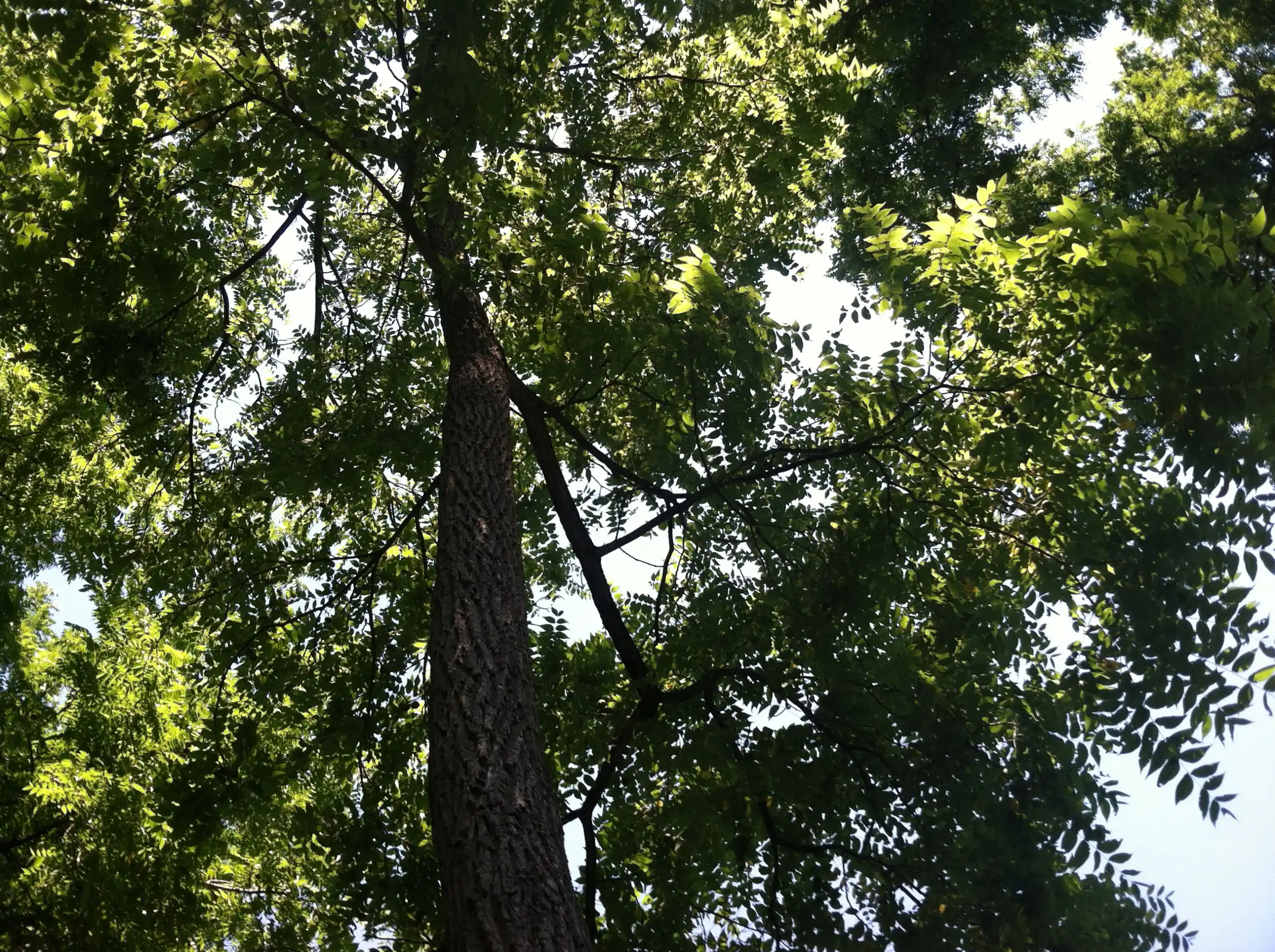
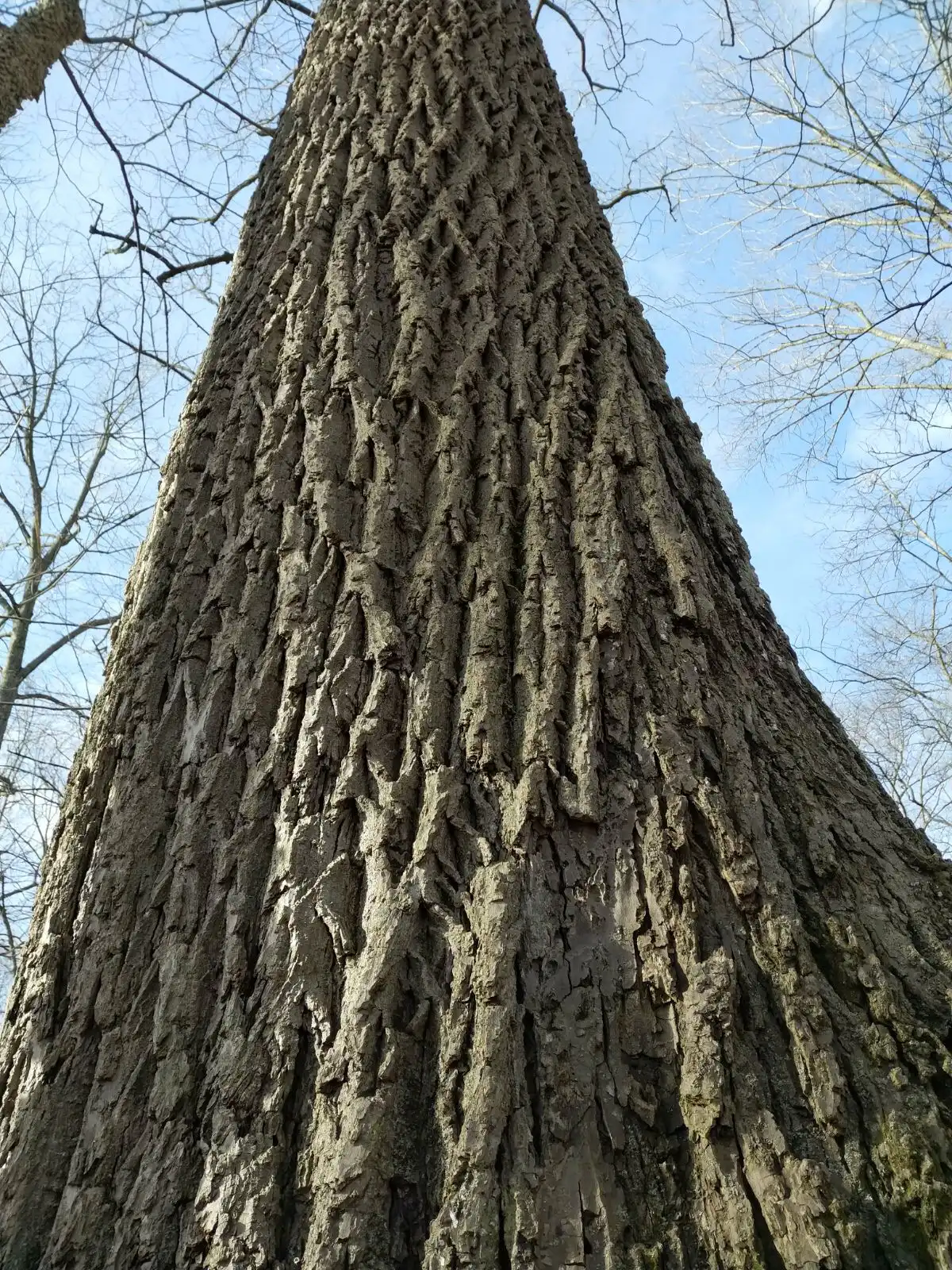
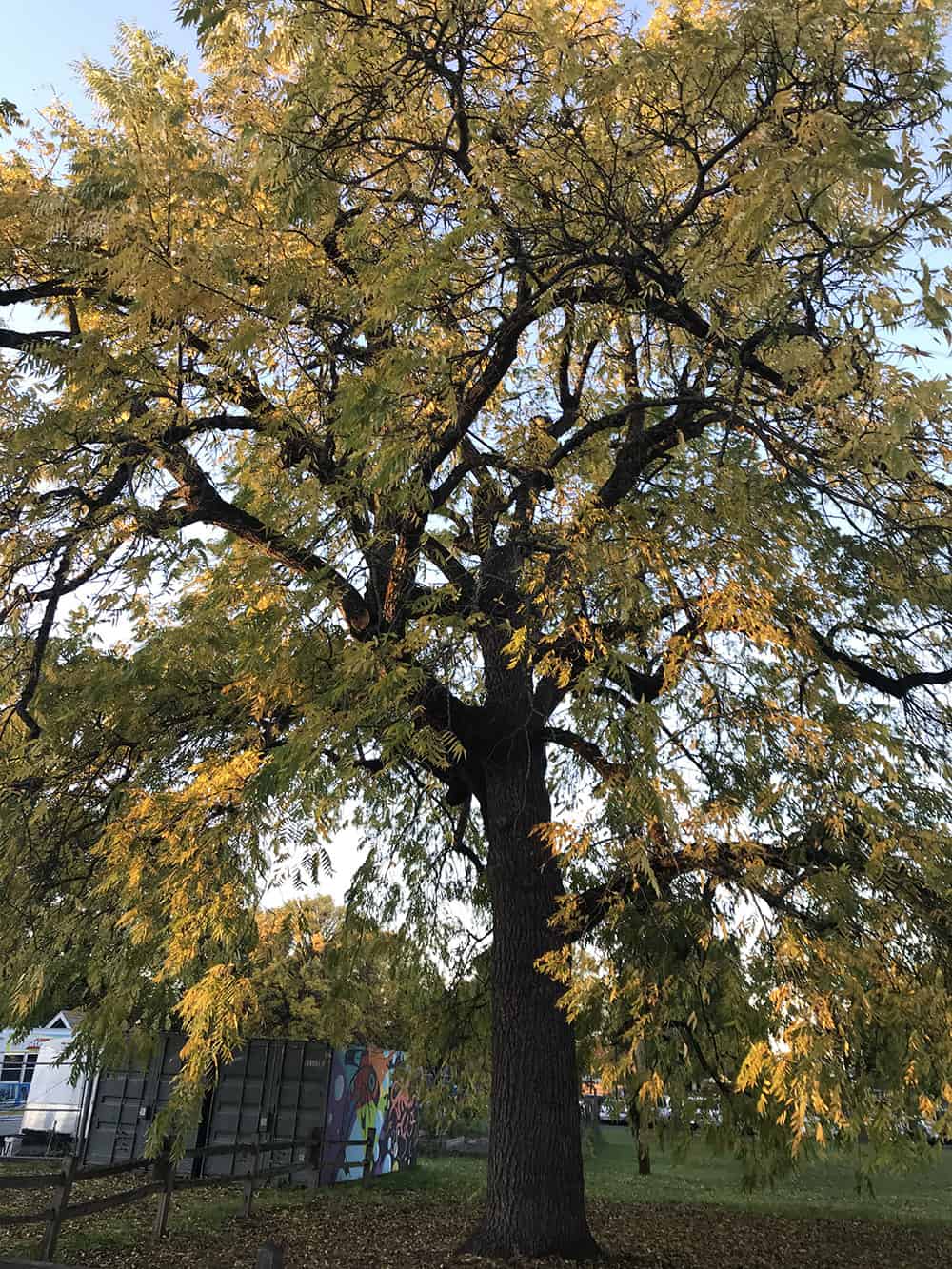
This tree is better known for its high lumber value, but it also enhances the landscape with lush, tropical-looking foliage and a bold winter silhouette. Mature trees characteristically have long trunks, often with an absence of lower branching. Fissured, sharply ridged, dark gray-black bark forms diamond patterns. Black walnut is native from Massachusetts through southern Ontario to South Dakota south to Florida and Texas. The roots of black walnut produce a chemical called juglone that is toxic to some plants. The odd-pinnate compound leaves can grow as long as 24”, each with 13-23 oblong to lanceolate leaflets. The terminal leaflet is often missing. Leaves are late to emerge in spring and early to drop in fall. Leaves are strongly aromatic when crushed. Fall color is an undistinguished yellow. Yellow green monoecious flowers appear in late spring (May-June), the male flowers in drooping hairy catkins and the female flowers in short terminal spikes. The fruit is a round, yellow-green husk containing a nut that squirrels love. The black walnut is a host for the caterpillar of the banded hairstreak butterfly.
In addition to being a valued timber tree, the sap of black walnut can be boiled down into syrup which purportedly has a nutty flavor.
Black walnut tolerates a wide variety of soils but thrives best in moist, well-drained bottomlands. There are many fine specimens throughout the park. Grows up to a 100’ high and, if grown in the open, almost as wide. Hardiness zones 4-9.
Photo Gallery